Everglades National Park Wilderness Permits
Everglades National Park, Near Homestead, Florida
Everglades National Park Wilderness Permits does not offer reservations through Recreation.gov. Please take a look at the area details below for more information about visiting this location. Enjoy your visit!
Overview
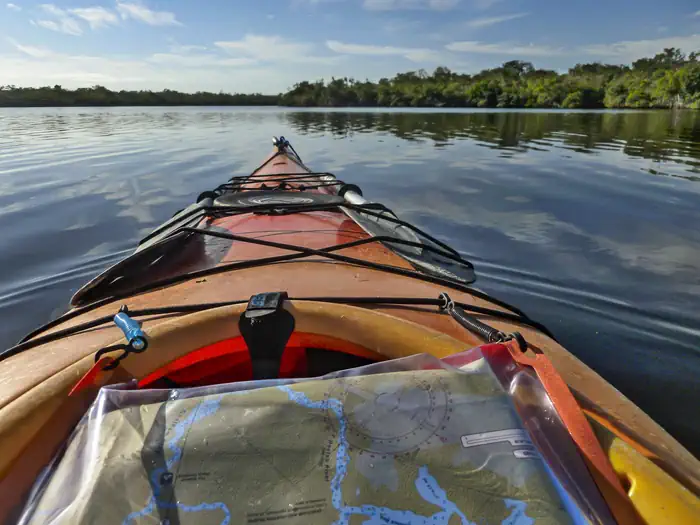
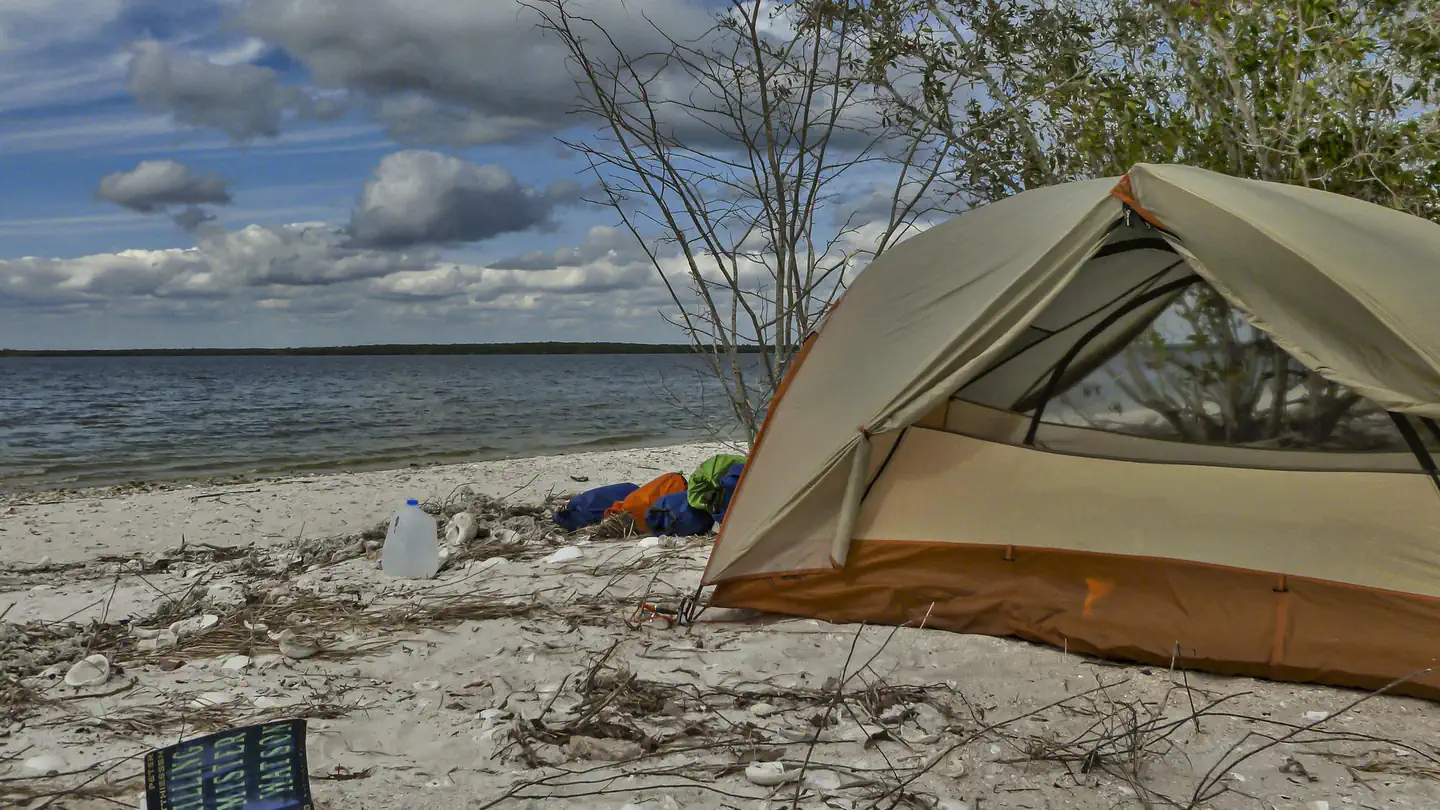
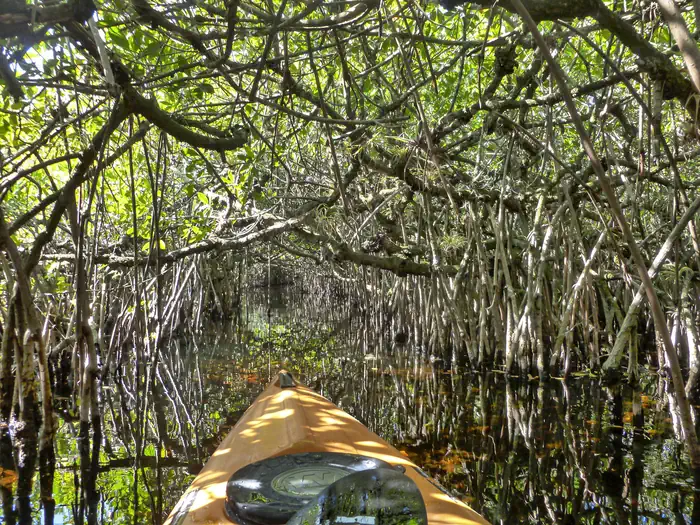
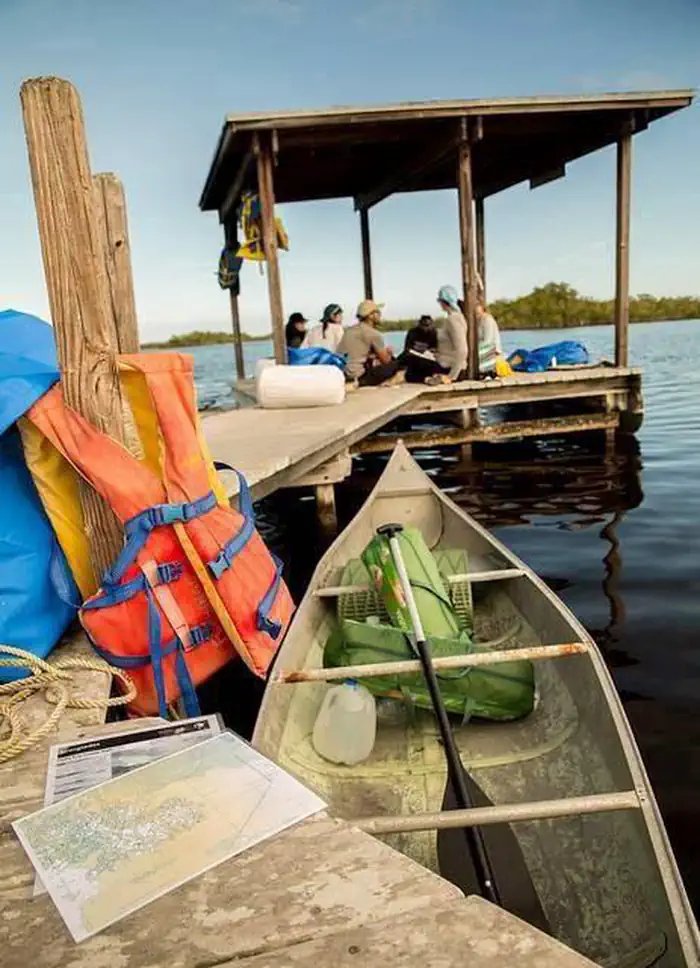
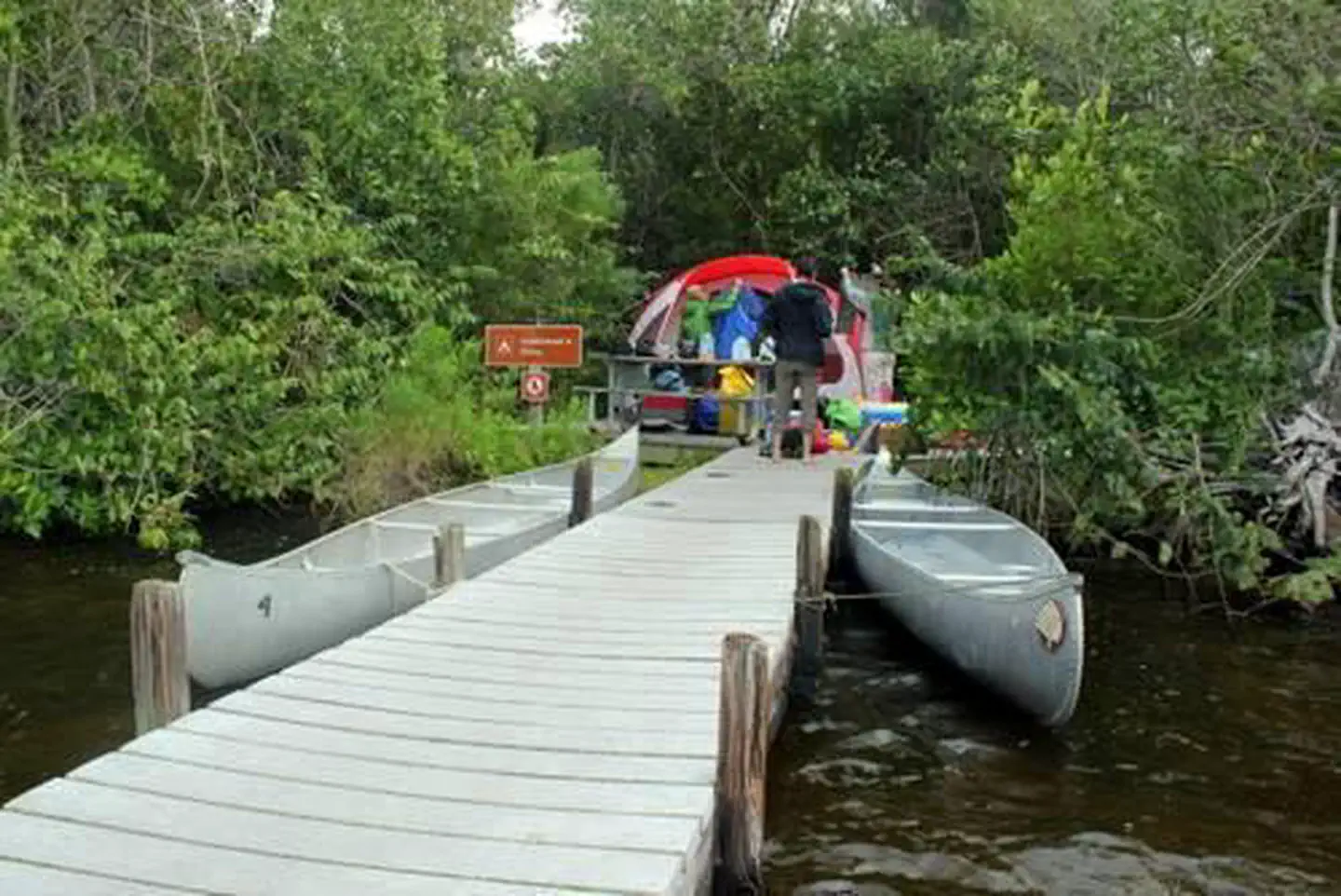
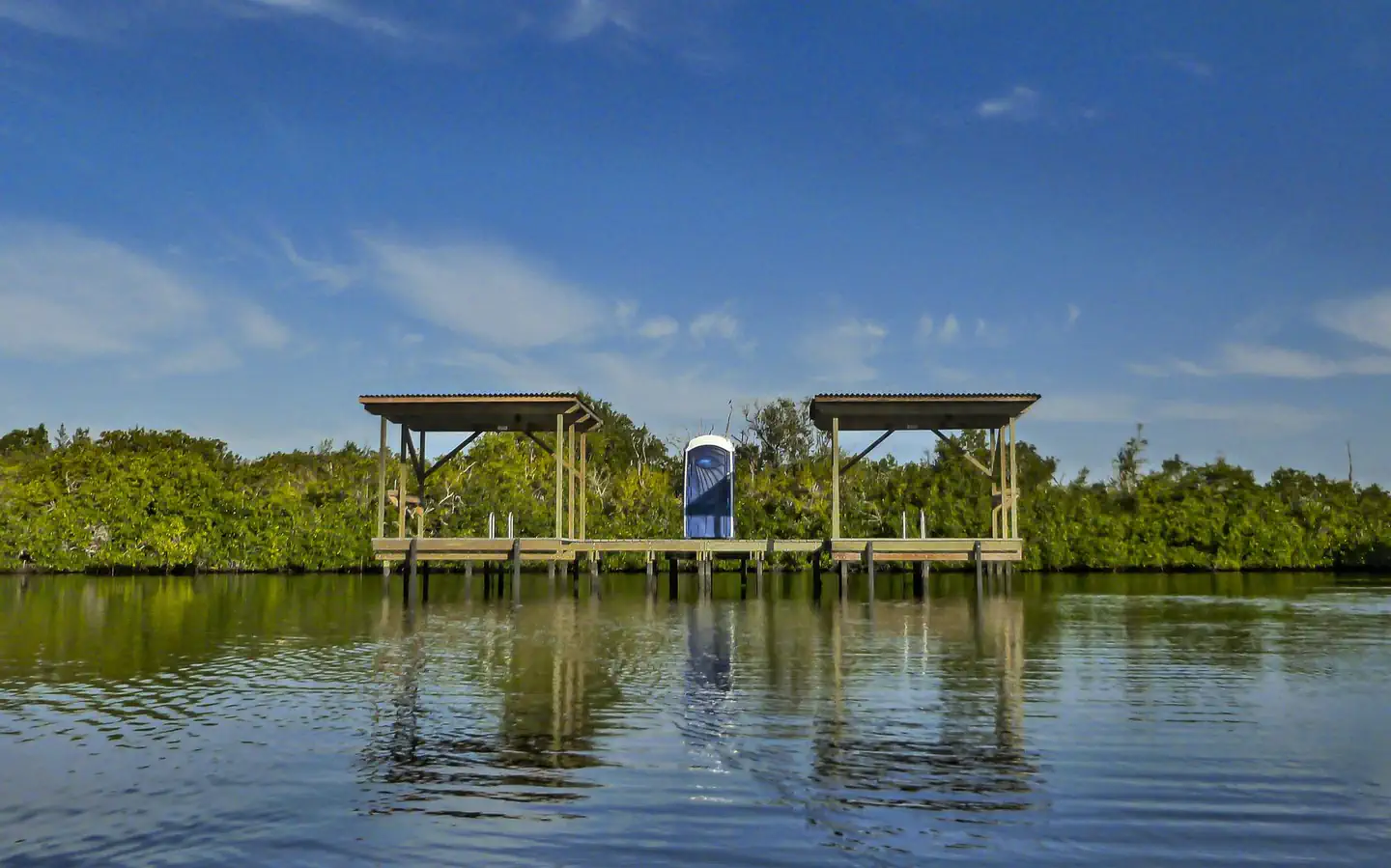
Everglades National Park protects an unparalleled landscape that provides important habitat for numerous rare and endangered species like the manatee, American crocodile, and the elusive Florida panther. The Marjory Stoneman Douglas Wilderness Area within Everglades National Park is the largest subtropical Wilderness in the United States. An Everglades Backcountry Wilderness permit allows overnight camping in the backcountry wilderness at chickee (elevated platform), ground and beach campsites. Visit the park's Wilderness Trip Planner before booking your permit.Entrance Fee. Paddlers and boaters must pay the park entrance fee (separate from permit fee). Pay the fee at the park or purchase in advance. The park also honors valid America the Beautiful-the National Parks and Federal Recreational Lands passes (e.g. Senior, Military, 4th Grade, etc.). Safety course. Power boaters must have a completion certificate from the online Everglades Boater Education course. Search and Rescue. File a trip plan with a friend or relative before leaving. That person is responsible to contact park dispatch at (305) 242-7740 (non-emergency line) or (305) 247-7272 (emergency line) if you do not return on schedule. Bring a nautical chart and compass. You must stay at the site on your permit unless safety is a factor. Checkout time is 12:00 pm. Campfires. The park allows fires at beach sites only (below high-tide line. Down & dead wood only, no cutting of standing dead trees). Remove all traces of fires before departing. NO fires allowed at ground sites or chickees (gas stoves or gas grills are allowed). Water. Fresh water is not available along the coastal portions of the wilderness. Bring all drinking/cooking water (minimum: 1 gallon per person per day). Trash. Pack out all trash. Do not bury, burn, or dispose of it in toilets. Dumping trash at sea is illegal. Tides. Tides can influence the time and difficulty of paddling or powerboating in shallow water. Always check tide predictions. Pets. Pets are prohibited anywhere in the wilderness (including campsites or beaches). Wildlife. Do not feed or harass wildlife. Store food & water in hard containers or secure on a boat (not in tents). Removal of any shell, animal, plant, or artifact is prohibited. Human Waste. Use toilets when provided. Where not provided, pack out human waste or bury it at least 6” (15.5 cm) deep. At beach/coastal sites, urinate directly in the water. Pack out toilet paper with trash. Do not throw trash or wipes in toilets. QUESTIONS? Call (239) 695-2945 or (786) 758-0635.Everglades City and Chokoloskee, FL : Turn on to State Road 29, heading south. Designated launch sites are located in the Everglades City and Chokoloskee area. Guy Bradley Visitor Center (Flamingo) : 1 Flamingo Lodge Hwy, Homestead, FL 33034. Turn onto Palm Drive (State Road 9336/SW 344th St.) in Florida City heading west and follow the signs to the park. Expect to drive about an hour before arriving at Flamingo.Abuse of the permit system (multiple permits, false information, etc.) can result in cancellation of your permit and potential for you to be added to a restricted list. Cancellation Policy: The permit holder may cancel their permit at any point prior to permit issuance/printing – no refunds are provided on cancellation of a permit reservation. Quota from cancelled permits will be immediately released and available to the public upon cancellation. Change Policy: Once created, the permit holder may modify their group size or itinerary locations prior to permit issuance/printing. If the group size is increased (quota permitting), the permit holder will be required to pay the additional $2 per person, per night recreation fee. If group size is reduced at any point, no refund is provided. The permit holder may not modify their permit start date; if the permit holder would like to change their start date, they will be required to cancel their existing reservation and book a new reservation.Introduction video to the Gulf Coast and Flamingo District of Everglades National Park. Describes the two western districts, paddling, boating, wilderness camping and the Wilderness Waterway trail.Please provide vessel description(s) below (i.e., color, length, make, registration #). This box may be used for additional information such as a parking lot or launch/take-out location not listed above or Commercial Use Authorization permit number.Permit Reservation Fee: There is a $21 non-refundable permit reservation fee. Recreation Fee: A $2 per person, per night recreation fee is required for the length of a reservation. Entrance Fee: Everglades charges an entrance fee which you may pay upon arrival or purchase in advance. The park also honors valid annual or lifetime America the Beautiful-the National Parks and Federal Recreational Lands Passes (e.g. Senior, Military, 4th Grade, etc.) also known as interagency passes. For more information visit the park's Fees & Passes web page. THIS CONFIRMATION EMAIL SERVES AS YOUR PERMIT. You are NOT required to pick up a physical permit, however, you are required to carry a physical copy or a screenshot of your final itinerary. All paddlers and boaters must pay the entrance fee (separate from permit fees). Pay upon arrival or in advance. The park also honors valid annual & lifetime passes (e.g. Senior, Military, 4th Grade, etc.). Powerboat operators must have a completion certificate from the Everglades Boater Education course. File a trip plan with a friend/relative before leaving. S/he is responsible to notify park dispatch at 305-242-7740 (non-emergency line) or 305-247-7272 (emergency line) if you don't return on schedule. Stay at the site you selected on the specified date. Fires are allowed at beach sites only, below the high-tide line. Use down & dead wood only (no cutting of standing dead trees). Remove all traces of fires before leaving. Gas stoves/grills are allowed at ground or chickee sites, but fires and wood, charcoal, or coal fueled stoves/grills are prohibited. Fresh water is not available anywhere along the coastal portions of the wilderness. You must bring all of your drinking & cooking water (minimum 1 gallon per person per day). Trash must be packed out. Do not bury, burn, or dispose of it in toilets. Dumping trash at sea is prohibited. Tides can heavily influence the time and difficulty to paddle to sites and to navigate shallow waters in a powerboat. Always check tide prediction tables. Pets are not permitted anywhere in the wilderness. Do not feed or harass any wildlife. Removal of any shell, animal, plant, or artifact is prohibited. Use toilets where provided. Where not provided, pack out human waste or bury it at least 6” deep, and urinate directly into the water. Pack out toilet paper. Do not throw trash or wipes in toilets. Bring a nautical chart and compass with you. See NOAA's website for more information regarding nautical charts. QUESTIONS? Call (239) 695-2945 or (786) 758-0635.No Show Policy: In the event a permit holder does not show up to their reserved site, their paid reservation is still held until the reservation expires or they enact a cancellation.Introduction video to the Gulf Coast and Flamingo District of Everglades National Park. Describes the two western districts, paddling, boating, wilderness camping and the Wilderness Waterway trail.BEFORE YOU RESERVE YOUR PERMIT: Safely exploring the wilderness by water requires careful preparation and planning. Visit the Everglades Wilderness Trip Planner or if you require assistance planning your trip, call or stop by the Flamingo Visitor Center or call 786-758-0635 before booking your permit. Permits are required for all overnight camping in the wilderness (except when sleeping aboard boats). If you need frontcountry (tent/RV) camping, you may reserve Flamingo and Long Pine campgrounds through Flamingo Adventures (an authorized park concessioner). Everglades National Park designates campsites to prevent resource damage and to improve visitor experience. There are currently three types of campsites within the Marjory Stoneman Douglas Wilderness. Chickee Sites: Elevated platforms with roofs that give campers a unique experience of camping above the water's surface. Chickee platforms are 10 ft x 12 ft and are built to hold a maximum of 6 people or 1 group per platform. A group's tents must fit on one reserved platform. A portable toilet is provided at each chickee. Campfires, as well as wood, charcoal, and coal-fueled grills and stoves are not permitted. Use gas grills or stoves for cooking. Ground Sites. Along interior bays and rivers, typically on mounds of earth a few feet above the surrounding mangroves. Ground sites can accommodate larger groups and can hold multiple parties. Campfires, as well as wood, charcoal, and coal-fueled grills and stoves are not permitted. Use gas grills or stoves for cooking. Beach Sites. Beach sites are located on the coast and provide opportunities for camping on the sand along the shoreline. Coastal breeze during ideal conditions makes insects scarce at times. Beach sites are the only type of campsite in the Wilderness where campfires are allowed, but fires must be built below high-tide line. OTHER THINGS TO KNOW BEFORE YOU BOOK YOUR RESERVATION: One permit can include multiple nights. A reservation may have multiple consecutive nights for a single $21 non-refundable permit reservation fee. Make sure to select all consecutive nights and campsites before proceeding to payment. Bring a nautical chart and compass with you. See NOAA's website for more information regarding nautical charts. Permit. A permit (digital or physical copy) with dates & campsites is required to camp in the wilderness area. Entrance Fee. All paddlers and boat operators must pay the Everglades entrance fee (separate from permit fees). Pay upon arrival or in advance. The park also honors valid annual & lifetime passes (e.g. Senior, Military, 4th Grade, etc.). Safety course. A completion certificate from the Everglades Boater Education course is required for powerboat operators. Fires allowed at beach sites only. The park allows fires below the high-tide line. Use down & dead wood only (no cutting of standing dead trees). Remove all traces of fires before leaving. No fires at ground sites or chickees (we allow gas stoves or gas grills). Trash. Pack out all trash. Do not bury, burn, or dispose of it in toilets. Dumping trash at sea is illegal. Human Waste. Use toilets where provided. Where not provided, pack it out or bury it at least 6” deep. At beach and coastal ground campsites, urinate directly in the water. Pack out toilet paper with trash. Do not throw trash or wipes in toilets. Food. Remove all food particles from dishes before washing. Do not dump food scraps into the water; pack them out with trash. Wash dishes (and yourself) away from waterways and sprinkle the gray water over the ground to soak in. You must bring all drinking and cooking water, a minimum of one gallon per person per day. Fresh water is not available anywhere along the coastal portions of the wilderness. Weather. Be prepared for intense sun, rain, strong winds, thunderstorms, lightning, and cold. Check the Weather forecast before departing. Carry a weather radio if possible. Tides. Tides can influence the time and difficulty to paddle to sites and to navigate shallow waters in a powerboat. Always check tide predictions for your trip. Selected Site. You must stay at the site listed on this permit unless safety factors require otherwise. Noise. Be considerate of others when in close proximity. Generators and bug sprayers prohibited. Pets are not permitted anywhere in wilderness. This includes campsites & beaches. Fishing. Visit our fishing page for regulations. Mosquitoes and no-see ums can be aggressive. Bring insect repellent, bug jackets, and/or long pants & sleeves. Do not feed or harass any wildlife. Raccoons will do nearly anything to get food and water. Store both in hard-sided containers or secured aboard a boat ( NOT in tents). Manchineel (Hippomane mancinella). This native, endangered, tree with shiny heart-shaped leaves is toxic. Contact causes severe burning. Plants, animals, seashells, and artifacts are protected in the park. Removal prohibited. Paddlers. When encountering motorboats in a narrow pass, as boat approaches, pull as far to the side as possible. Point the bow of your canoe or kayak into the boat’s wake. Possession of firearms in the park is in accordance with federal, state, and local regulations. Discharge of a firearm prohibited. Generators, chain saws, and other portable motors are prohibited. Closed Areas. All keys in Florida Bay are closed to landing, except Bradley Key (open sunrise to sunset), and designated campsites. In Florida Bay, the mainland from Terrapin Point to U.S. 1 is closed to landing. Vessels must meet Coast Guard safety regulations. Airboats and personal watercraft (jet skis) prohibited.Watery Wilderness of the Western EvergladesComing Soon.90-day rolling window for advance wilderness permit reservations. Quotas exist for each wilderness campsite for number of groups and number of people per site. Neither quota can be exceeded.This permit allows the permitted user and group to camp overnight at designated campsites within the Marjory Stoneman Douglas Wilderness. Book reservations online, year-round. Reservations open daily at 10:00 a.m. ET, 90-days before trip start date on a rolling basis. Making separate reservations for each night is not necessary. One permit/reservation per trip. Your reservation confirmation email will serve as your permit. You are NOT required to pick up a physical permit in person, but you are required to carry a physical copy or screenshot of your final itinerary.https://www.youtube.com/embed/U6lC4C39uYwThere are currently no discounts available for permits.