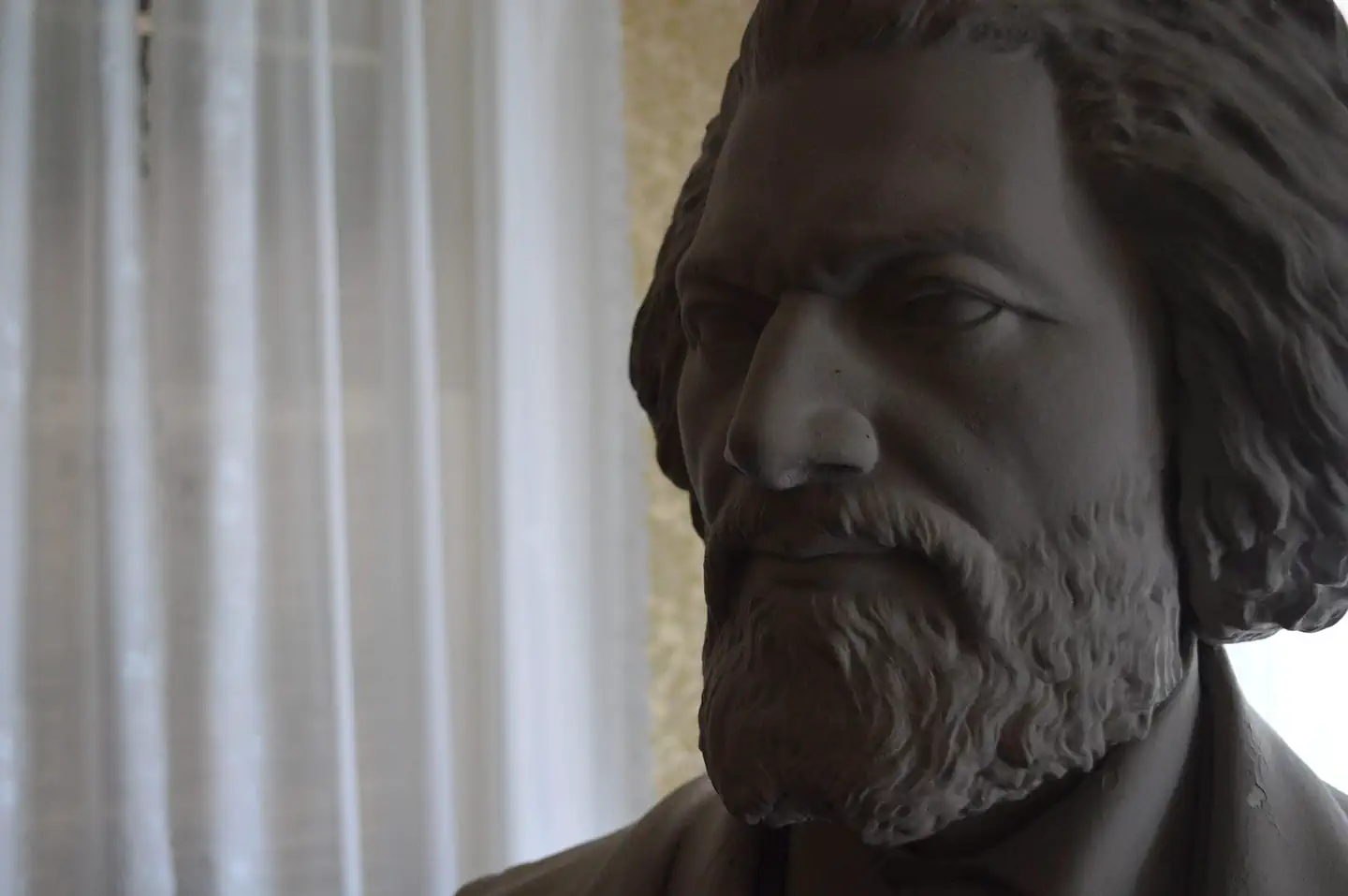
Frederick Douglass National Historic Site Tours
Frederick Douglass National Historic Site
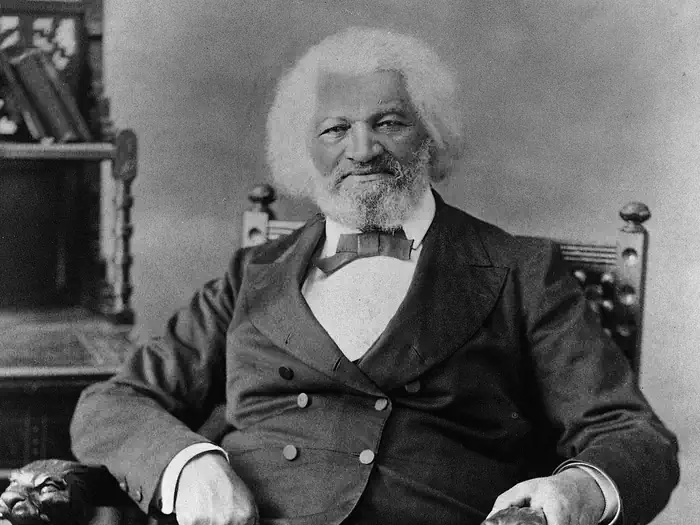
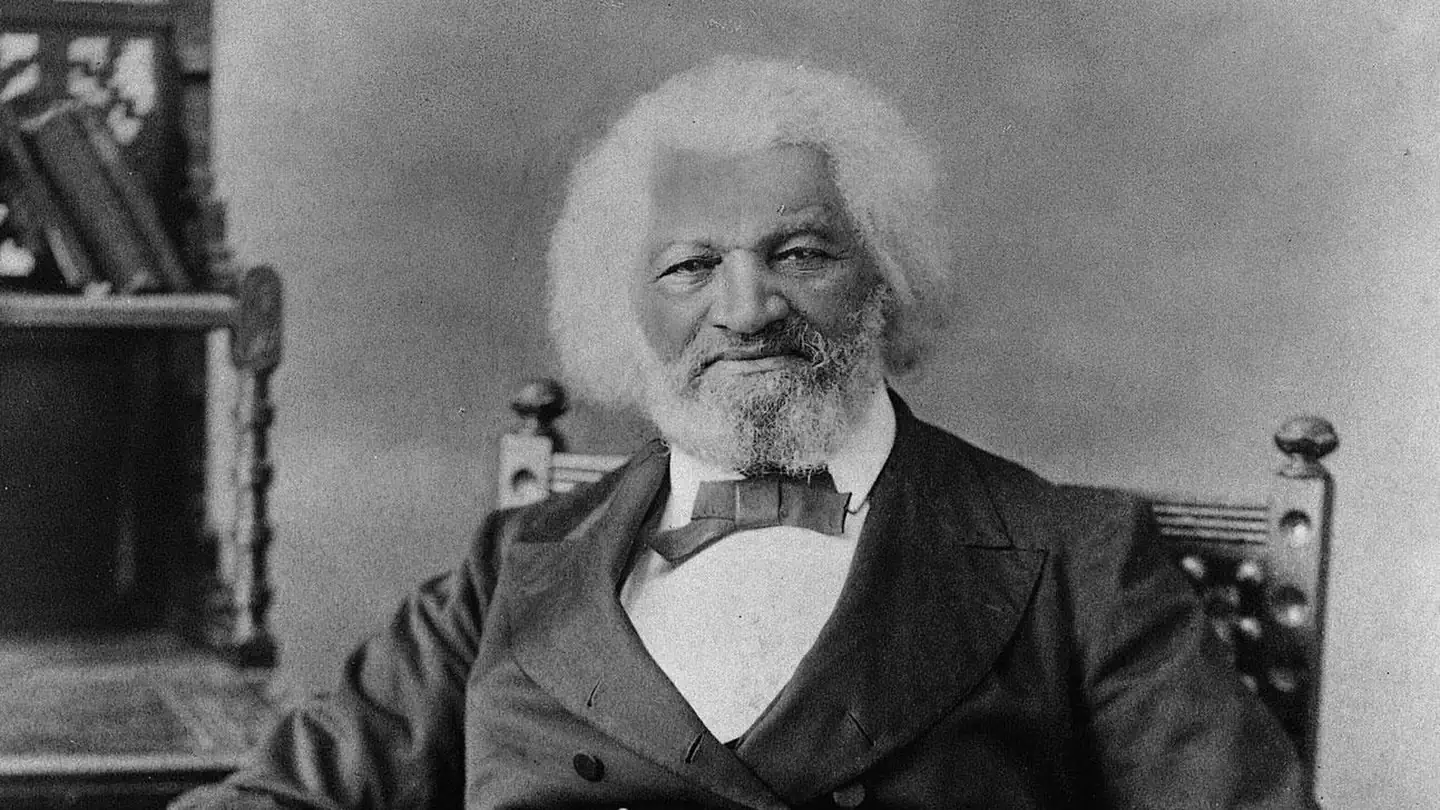
The Frederick Douglass National Historic Site preserves the home and legacy of Frederick Douglass, a runaway slave, abolitionist, civil rights advocate, author and statesman.
Born into slavery, Douglass escaped to spend his life fighting for justice and equality for all people. His life was a testament to courage and persistence, serving as an inspiration to all those who struggle for the cause of liberty and justice. Visitors to the site learn about his efforts to abolish slavery and his struggle to ensure the basic rights of all Americans.
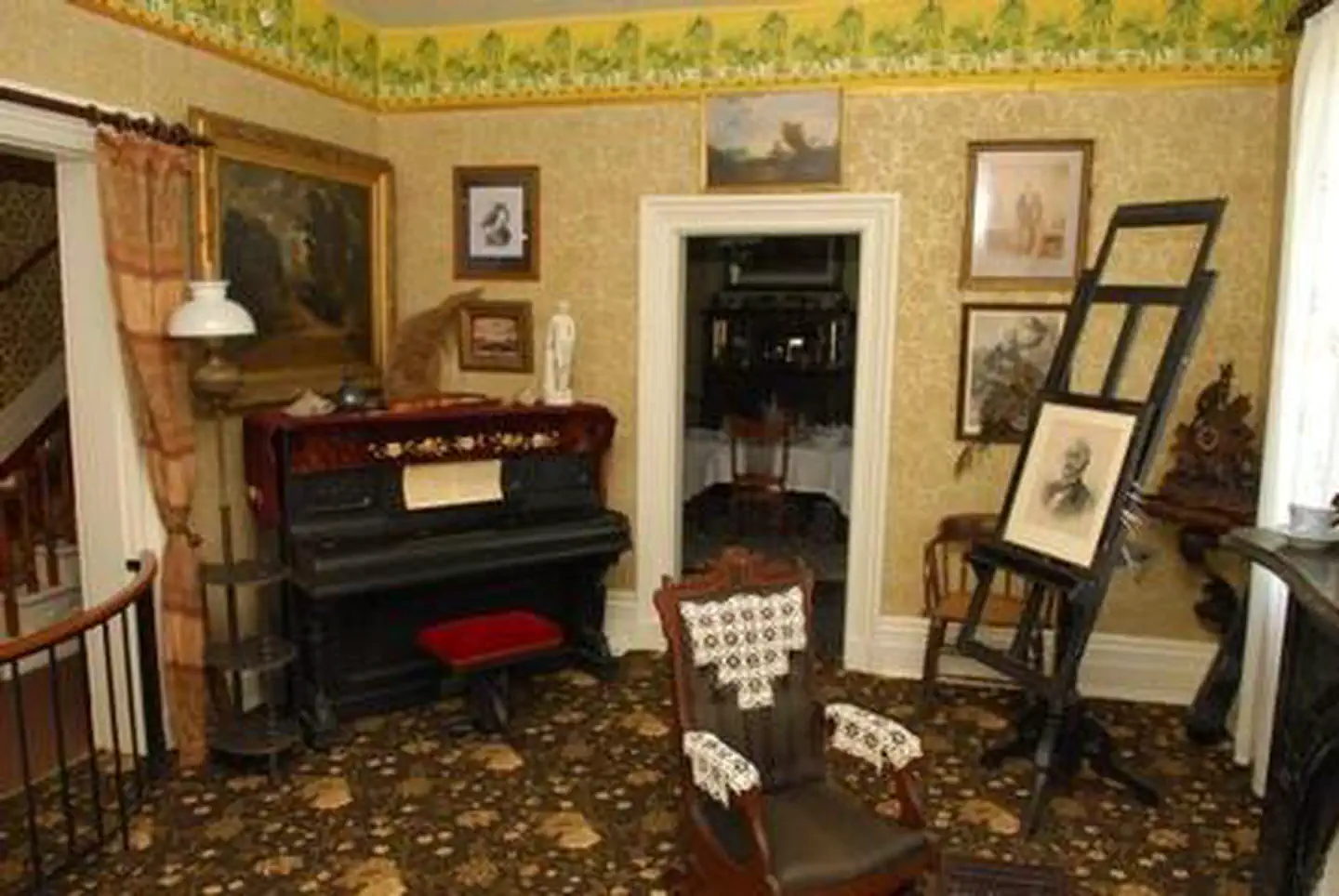
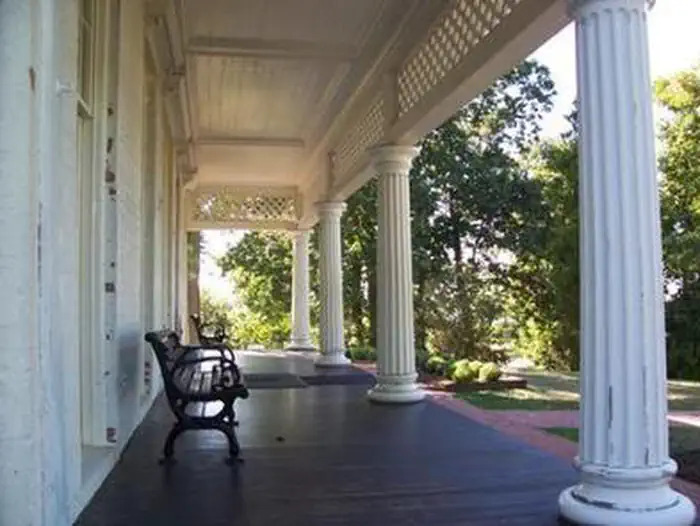
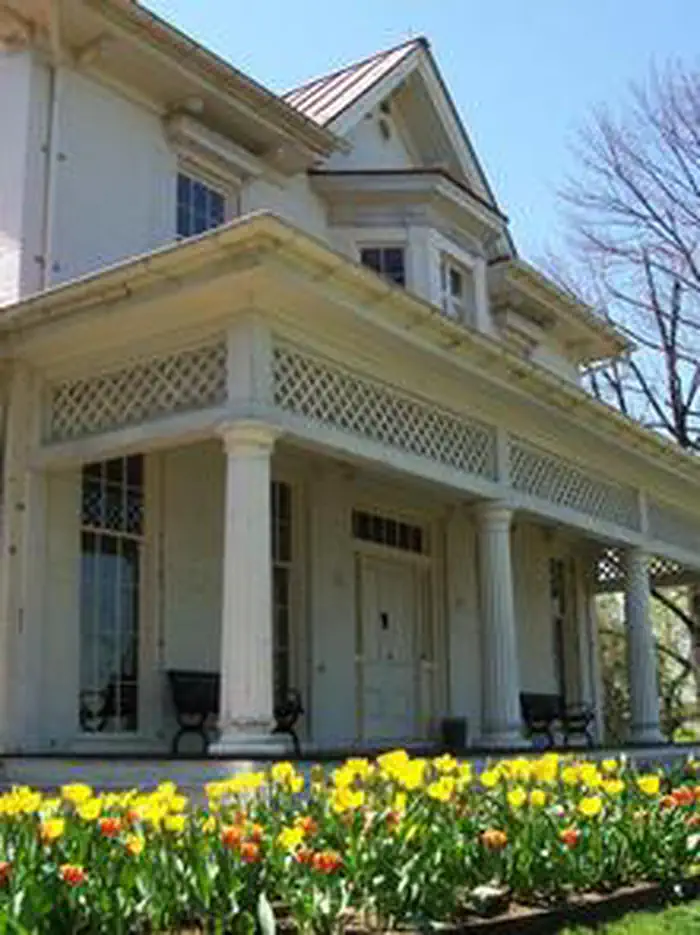
The Douglass site covers 8.5 acres (3.4 ha) known as Cedar Hill, an area that includes the main house, gardens and an extensive collection of personal effects that both captivate and educate visitors about Douglass and his family.
Douglass moved to Cedar Hill in 1877 and lived there for 18 years. During that time, he served as U.S. Minister to Haiti and U.S. Marshal for the District of Columbia, continuing to write about and speak out for human rights and equality until his death on February 20, 1895.
A highlight for many visitors is a reconstruction of Frederick Douglass' "Growlery." It was a one room building with a stove, bed, and desk where Douglass could retreat to work and "growl" when he was in the mood.
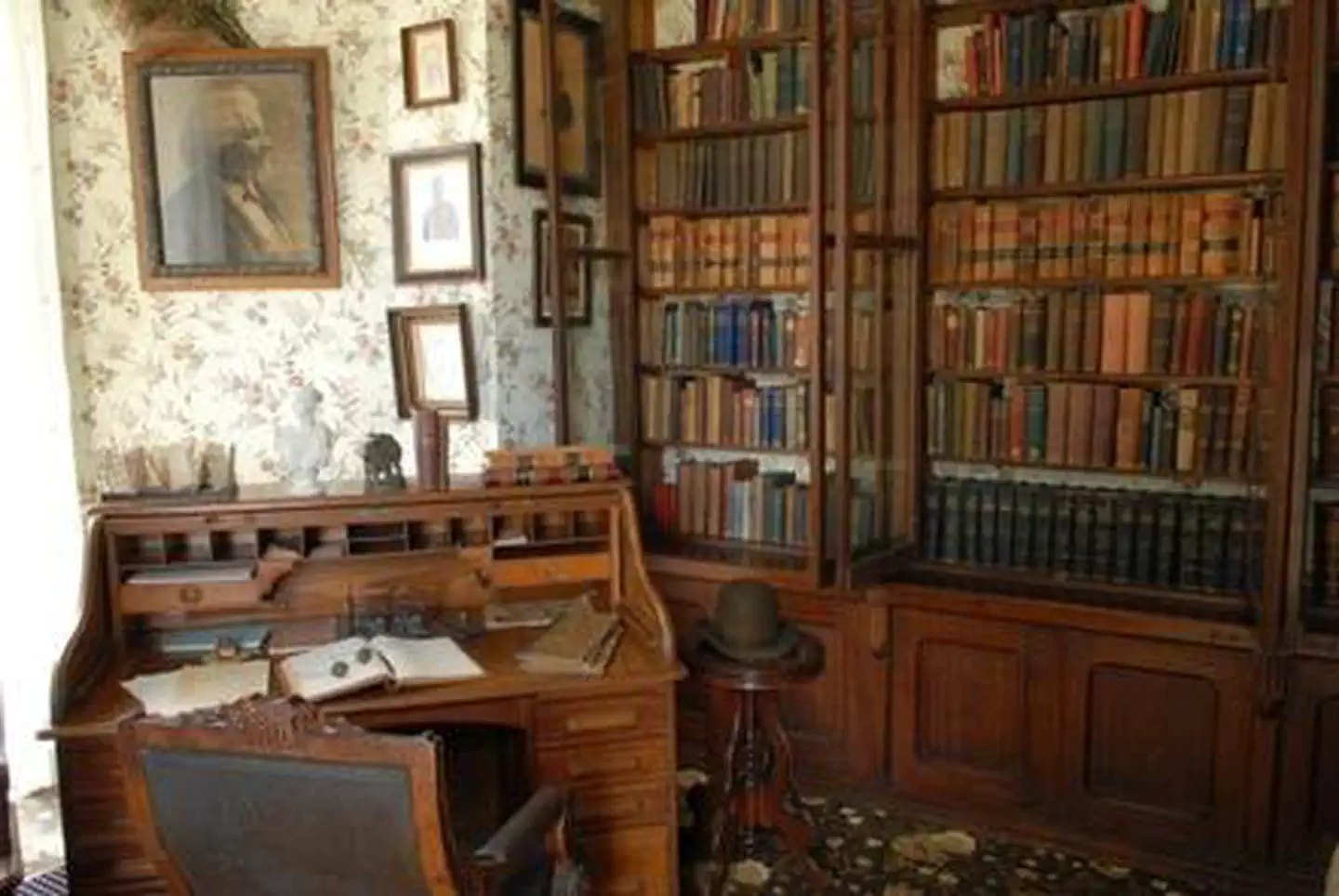
Another popular draw to the site is The Douglass Library Collection. The collection includes books, monographs, pamphlets, serials, record books, bound government documents, rare photograph albums, and two bound volumes of The North Star, an abolitionist newspaper that Douglass published himself. Many volumes are signed by Douglass or bear his personal bookplate.
Visitors to Cedar Hill won't be disappointed by this historic site honoring the legacy of one of the most famous 19th century African Americans.
The Frederick Douglass National Historic Site preserves the home and legacy of Frederick Douglass, a runaway slave, abolitionist, civil rights advocate, author and statesman.
Born into slavery, Douglass escaped to spend his life fighting for justice and equality for all people. His life was a testament to courage and persistence, serving as an inspiration to all those who struggle for the cause of liberty and justice. Visitors to the site learn about his efforts to abolish slavery and his struggle to ensure the basic rights of all Americans.
The Douglass site covers 8.5 acres (3.4 ha) known as Cedar Hill, an area that includes the main house, gardens and an extensive collection of personal effects that both captivate and educate visitors about Douglass and his family.
Douglass moved to Cedar Hill in 1877 and lived there for 18 years. During that time, he served as U.S. Minister to Haiti and U.S. Marshal for the District of Columbia, continuing to write about and speak out for human rights and equality until his death on February 20, 1895.
A highlight for many visitors is a reconstruction of Frederick Douglass' "Growlery." It was a one room building with a stove, bed, and desk where Douglass could retreat to work and "growl" when he was in the mood.
Another popular draw to the site is The Douglass Library Collection. The collection includes books, monographs, pamphlets, serials, record books, bound government documents, rare photograph albums, and two bound volumes of The North Star, an abolitionist newspaper that Douglass published himself. Many volumes are signed by Douglass or bear his personal bookplate.
Visitors to Cedar Hill won't be disappointed by this historic site honoring the legacy of one of the most famous 19th century African Americans.
Need to Know
Seasons and Tour Availability. Tours of the Frederick Douglass Home are available year-round. You may book reservations beginning 6 months in advance until midnight the day before the tour.
Advance Reservation Fee. Tickets are free. However, a nonrefundable $1.00 advance reservation service fee applies to each ticket.
Reservations versus Walkup Tickets. The park strongly recommends reservations, although first-come, first-served tickets may be available at the site for individuals and groups of 10 or fewer. Reservations are required for group tours of 10 or more.
Ticket Pickup. All visitors must pick up tour tickets in the visitor center prior to the tour.
Arrive on Time. Tours start promptly at the specified time at the front door of the Douglass home. Visitors should arrive at least 30 minutes prior to tour time (groups at least 15 minutes prior) to allow for introduction and bathroom stops. Visitors may not join the tour after it has entered the Douglass Home.
Groups.Reservations are required for group tours of 11 or more. Group tours are limited to a total of 60 people, and will be divided into smaller groups for the tour. Groups arriving later than 15 minutes after the tour start time may forfeit their opportunity to tour the Douglass Home.
Educational Institution Groups. Educational institutions qualify for special group tour pricing. Please call (771) 208-1499 for more information. Other groups are not eligible for this pricing and should choose the Douglass Home Group Tour
Prohibited Items. Large bags and strollers are not permitted in the historic home.
Booking Windows
No specific booking information available at this time. Please continue to monitor this page for status updates on ticket releases.
Changes and Cancellations
Tours and admission are free at Frederick Douglass Home. The reservation fee to book tickets in advance is nonrefundable.
Contact Information
Mailing Address
1411 Washington DC 20020
Phone Number
771-208-1499