Indian Peaks Wilderness Large Group Day Use Permits
Arapaho & Roosevelt National Forests Pawnee Ng
Day Use Permit for groups of 8-12 people.
- This is the page for groups from 8-12 people who are not staying overnight to buy their day use permit.
- Groups of 1-7 people, or people and livestock combined do not need a day use permit.
- All overnight trips need a permit.
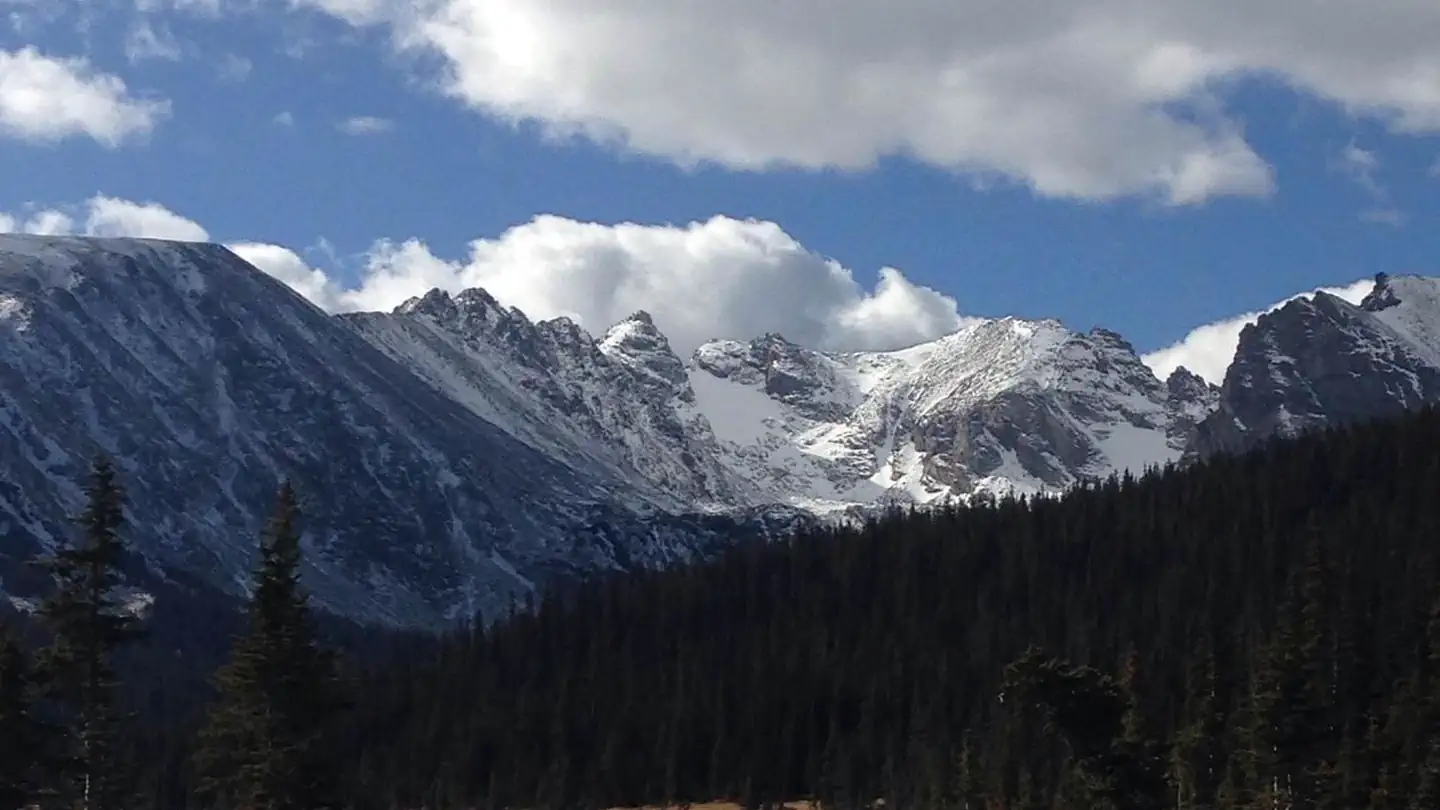
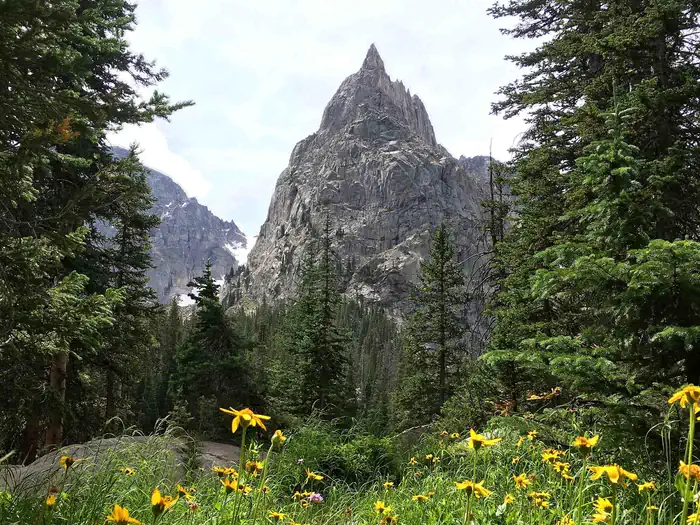
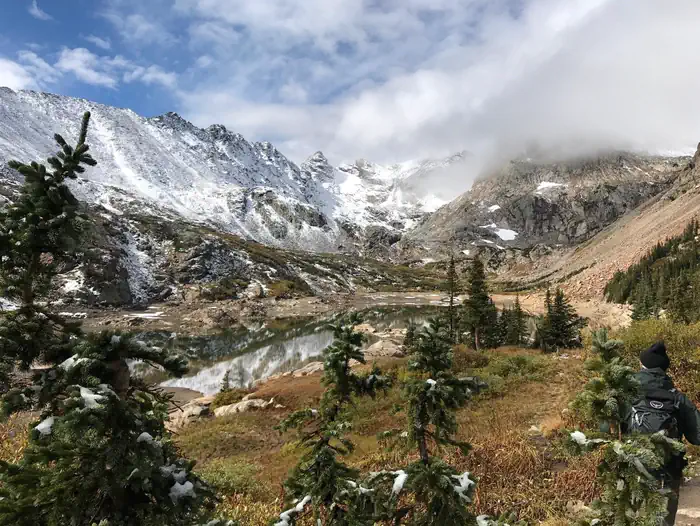
- Indian Peaks Wilderness is located along the Continental Divide between Boulder County to the east and Grand County to the west. Indian Peaks Wilderness is a popular destination for day hiking, backpacking, fishing, and viewing wildlife.
- Indian Peaks Wilderness is divided into 17 backcountry zones. Each zone has a permit quota to ensure enjoyment by all visitors and to protect and preserve the wilderness environment from the adverse cumulative impacts due to repeated use.
- Before purchasing this permit, view all requirements at Indian Peaks Wilderness .
Notifications and Alerts
As a reminder, campfires are prohibited in most of the Indian Peaks Wilderness, regardless of fire restrictions. Currently, all of the Indian Peaks Wilderness and adjacent Forest Service lands are under STAGE 1 fire restrictions (in both Boulder County and Grand County), which means that campfires are currently not permitted anywhere in the backcountry, even in locations where they would otherwise be allowed in the absence of a fire ban. For more information about for restrictions, please visit the Forest Service Website.
Permit & Season Information
This permit allows the permit holder and their large group (8-12 people) to take a DAY-TRIP in one of the selected Backcountry Zones within Indian Peaks Wilderness. The permit holder will have the ability to print their permit through their Recreation.gov account starting 7 days prior to the permit entry date. Groups less than 8 do not need a day use permit.
For the most current trail conditions please visit Indian Peaks Wilderness Alliance
This may not be the only permit you need for your trip. Overnight Permits , Day Use Permits and Timed Entry Reservations are required to visit Indian Peaks Wilderness depending on season, group size, and location. Before purchasing this permit, view all requirements at Indian Peaks Wilderness .
Need to Know
Regulations –These regulations exist to protect and preserve the Indian Peaks for present and future generations. The following are subject to minimum $100 and maximum $5000 in fines and/or 6 months imprisonment:
Campfires
- Campfires are prohibited on the east side of the Continental Divide.
- Campfires are also prohibited in the following areas west of the Continental Divide: Crater Lake, Caribou Lake, Columbine Lake, Pawnee Lake, Gourd Lake, Upper Cascade Creek (above Cascade Falls)
- Where allowed, campfires must be located at least 100 feet away from lakes, streams, and trails
Pets
- Pets must always be on a hand-held leash at all times.
Camping
- A separate overnight camping permit is required for anyone planning to stay overnight between June 1 and September 15. DO NOT PURCHASE THIS PERMIT IF YOUR LARGE GROUP INTENDS TO CAMP OVERNIGHT.
Group Size
- Group size is limited to no more than 12 people or 12 people and pack stock combined, year-round.
Motorized/Mechanized Equipment
- Motorized equipment (including drones) and mechanized transportation (including bicycles) are prohibited within the Indian Peaks Wilderness.
- Wheeled devices (motorized or non-motorized) that are essential for the mobility of people with disabilities are allowed.
Recreation Livestock
- Hobbling, tethering, or picketing of livestock, such as horses, llamas, or other livestock is prohibited within 100 feet of lakes, streams, or trails.
- Processed weed-free feed is required for livestock and must include original and current documentation.
- Pack stock are prohibited within these backcountry zones and on these trails: Crater Lake, Four Lakes, Diamond Lake, Upper Cascade Creek (above Cascade Falls), Diamond Lake Trail
Backcountry Safety
Be prepared for changing and severe weather conditions: Afternoon thunder and lightning storms are common in the mountains. Avoid exposed areas and tall single trees during storms. High winds can cause beetle-weakened trees to fall.
- Purify all water from lakes or streams before drinking: Giardia and other parasites are common in mountain water sources and can cause serious illness.
- To reduce the risk of altitude sickness, avoid overexertion, slow down, and stay hydrated: Descend to lower elevations if symptoms occur.
- Hypothermia can be life-threatening: Bring appropriate clothing and gear.
- Plan your route, carry maps and a compass: Always tell someone your plans.
- Carry first aid supplies.
Leave No Trace
- Plan Ahead and Prepare: Proper planning and preparation helps hikers and campers have a safe trip and minimize impacts to natural and cultural resources.
- Travel and Camp on Durable Surfaces: Camp in wooded areas where trees offer shelter from wind and provide privacy, and the ground is more durable than in open meadows or alpine areas. Avoid areas with standing dead trees.
- Dispose of Waste Properly: Bury human waste in cat holes 6 to 8 inches deep and at least 200 feet from water, trails, and campsites. Carry out toilet paper, pet waste, food scraps, and all trash.
- Minimize Campfire Impacts: Lightweight camp stoves make low impact camping possible by preventing scars that remain after a campfire.
- Leave What You Find: Allow others a sense of discovery by leaving rocks, plants, archaeological artifacts and other objects as you find them. (Removal of artifacts from public lands is illegal.)
- Respect Wildlife: Observe wildlife from a distance to avoid disturbing them. Store food securely. Keep garbage and food scraps away from animals so they will not acquire bad habits. Keep pets leashed to avoid harassment or injury to wildlife.
- Respect Others: Travel and camp in small groups and help maintain the peace by camping out of sight and sound of others. Keep pets leashed and always pick up after yourself and your pet.
Fee Policy
Each Large Group Day Use Permit costs $11.00
- $6.00 non-refundable recreation.gov reservation fee
- $5.00 non-refundable Forest Service recreation fee
Cancellation Policy
Cancellation Policy:
- Permit holders may cancel their permit at any point prior to 7 days before their trip – no refunds. If you know that you will not be attending your trip please cancel your permit to make those days available for someone else.
- Once downloaded or printed, the permit is considered issued and cancellations are not allowed.
Change Policy:
- Once created, the permit holder may modify their itinerary locations, group size, entry and exit points and number of pets prior to downloading or printing the permit.
- The permit holder may not modify the permit start date. If the permit holder would like to change their start date, they will be required to cancel their existing reservation and book a new reservation.
- Once downloaded or printed, the permit is considered issued and modifications or cancellations will no longer be allowed.
Contact Information
Mailing Address
Phone Number
Arapaho and Roosevelt National Forests & Pawnee National Grassland Visitor Information: 970-295-6600